Occupational Therapy services are designed to help children build independence, confidence,
and essential life skills. Our therapists work closely with each child to strengthen sensory
processing, motor development, emotional regulation, and functional abilities, ensuring
meaningful progress across daily routines and learning experiences.
Using a child-centred and holistic approach, we create individualised intervention plans that
support development in a nurturing and structured environment.
Our Key Intervention Areas Include:
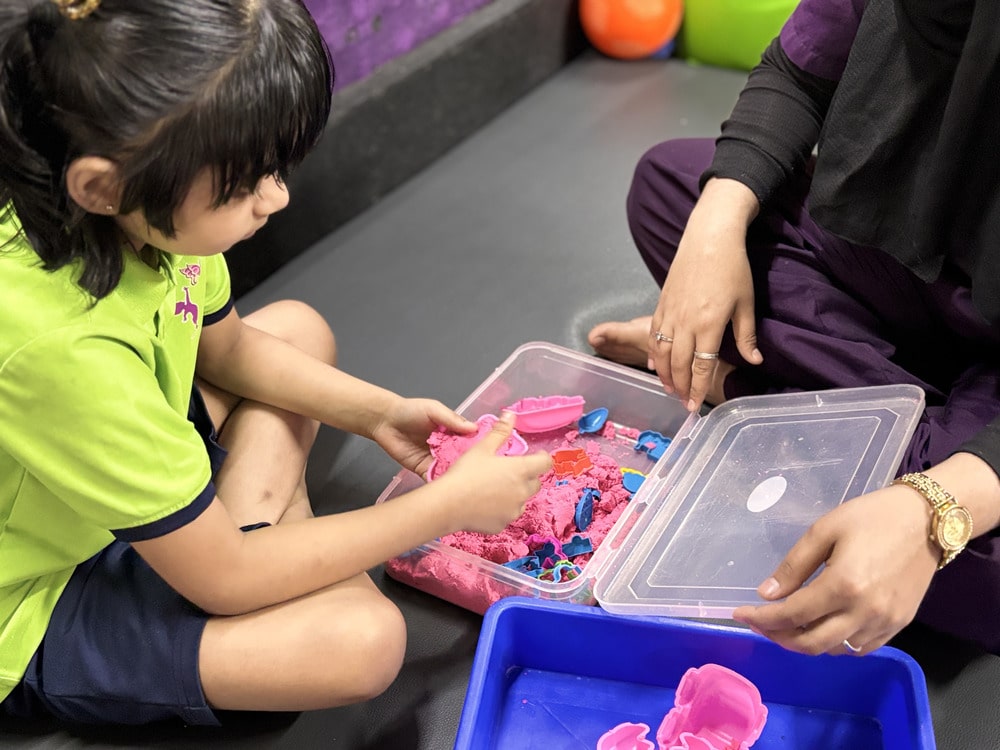
Sensory Integration & Sensory Regulation: Supporting children in processing sensory input effectively to improve focus, behaviour, and comfort in everyday environments.
Activities of Daily Living (ADL) Training: Enhancing self-care skills such as dressing, feeding, grooming, and routine participation.
Emotional Self-Regulation: Helping children recognise emotions and develop strategies to express and manage them appropriately.
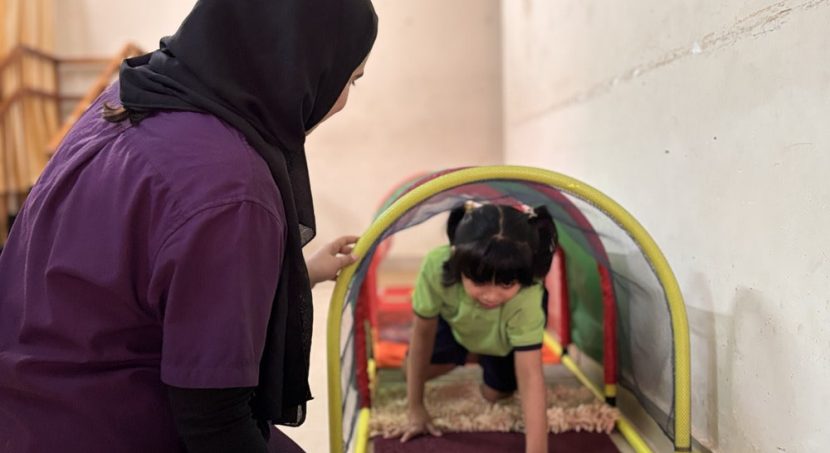
Fine & Gross Motor Skill Development: Building coordination, strength, motor planning, and precision required for functional movement.
Pre-Writing & Hand Function Training: Strengthening visual-motor skills, pencil grasp, and foundational readiness for handwriting.
Postural Control & Body Awareness: Improving balance, stability, and motor alignment for better movement efficiency.
Reflex Integration Support: Addressing retained primitive reflexes to improve motor control, coordination, and learning.
Play-Based Therapeutic Activities: Encouraging social interaction, creativity, communication, and emotional development through structured play.
Our occupational therapists blend skill-building, sensory-based strategies, and purposeful
activities to help children participate confidently in school, home, and social environments.
Who Can Benefit from Occupational Therapy
Sensory integration and sensory regulation challenges
Developmental Coordination Disorder (DCD)
Autism Spectrum Disorder (ASD)
Attention Deficit Hyperactivity Disorder (ADHD)
Fine and gross motor delays
Postural, balance, or reflex integration concerns
Feeding and oral-motor difficulties
Handwriting and pre-writing skill challenges
Learning, perceptual, or visual-processing difficulties
Emotional or behavioural regulation needs
Start Something Truly Wonderful with HIRAYA Today!